Real moments,
wild places
Wildlife in its element. Quiet landscapes. The overlooked details that make this region what it is.

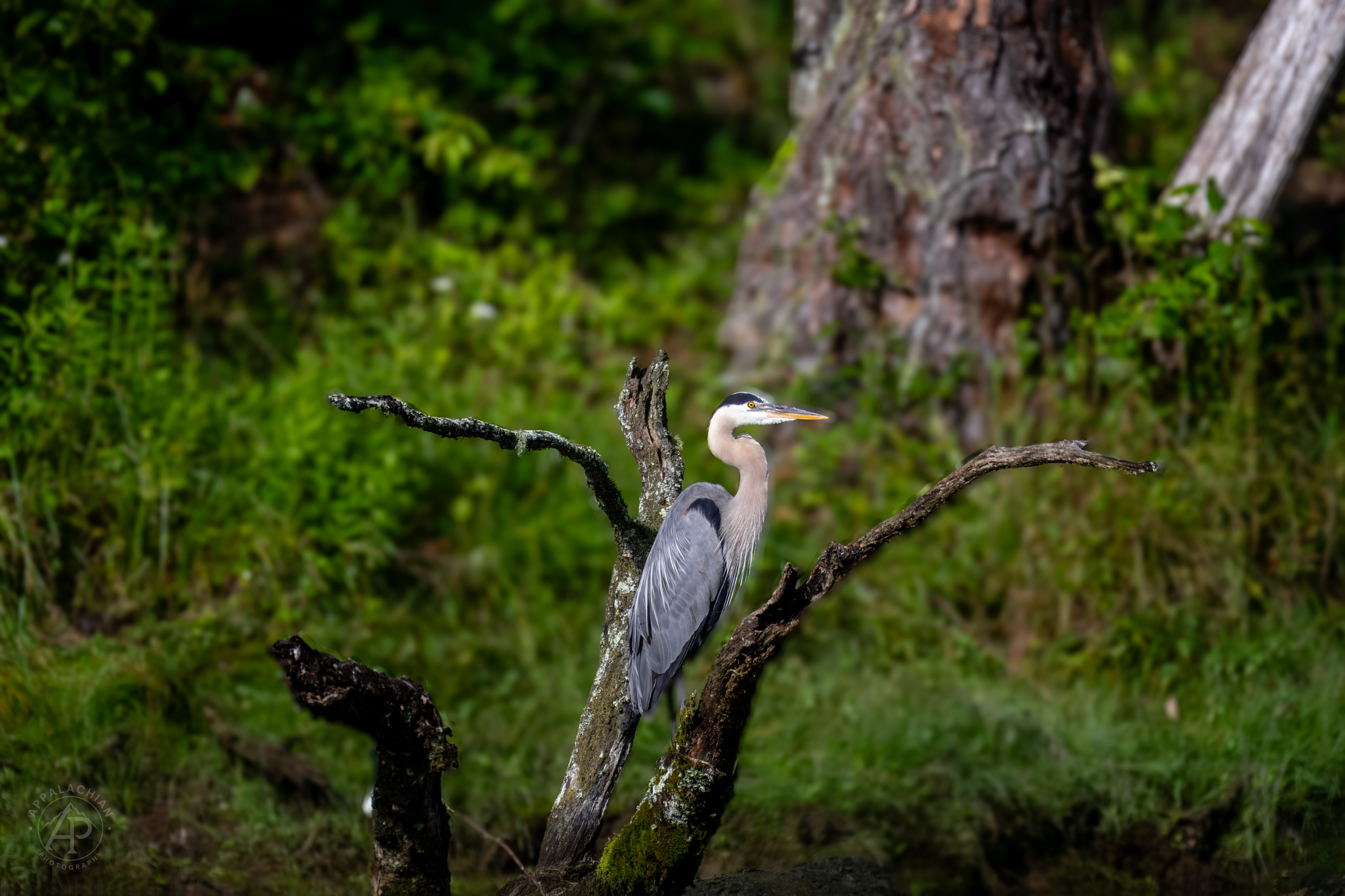
Grayson Highlands — Mouth of Wilson, Virginia
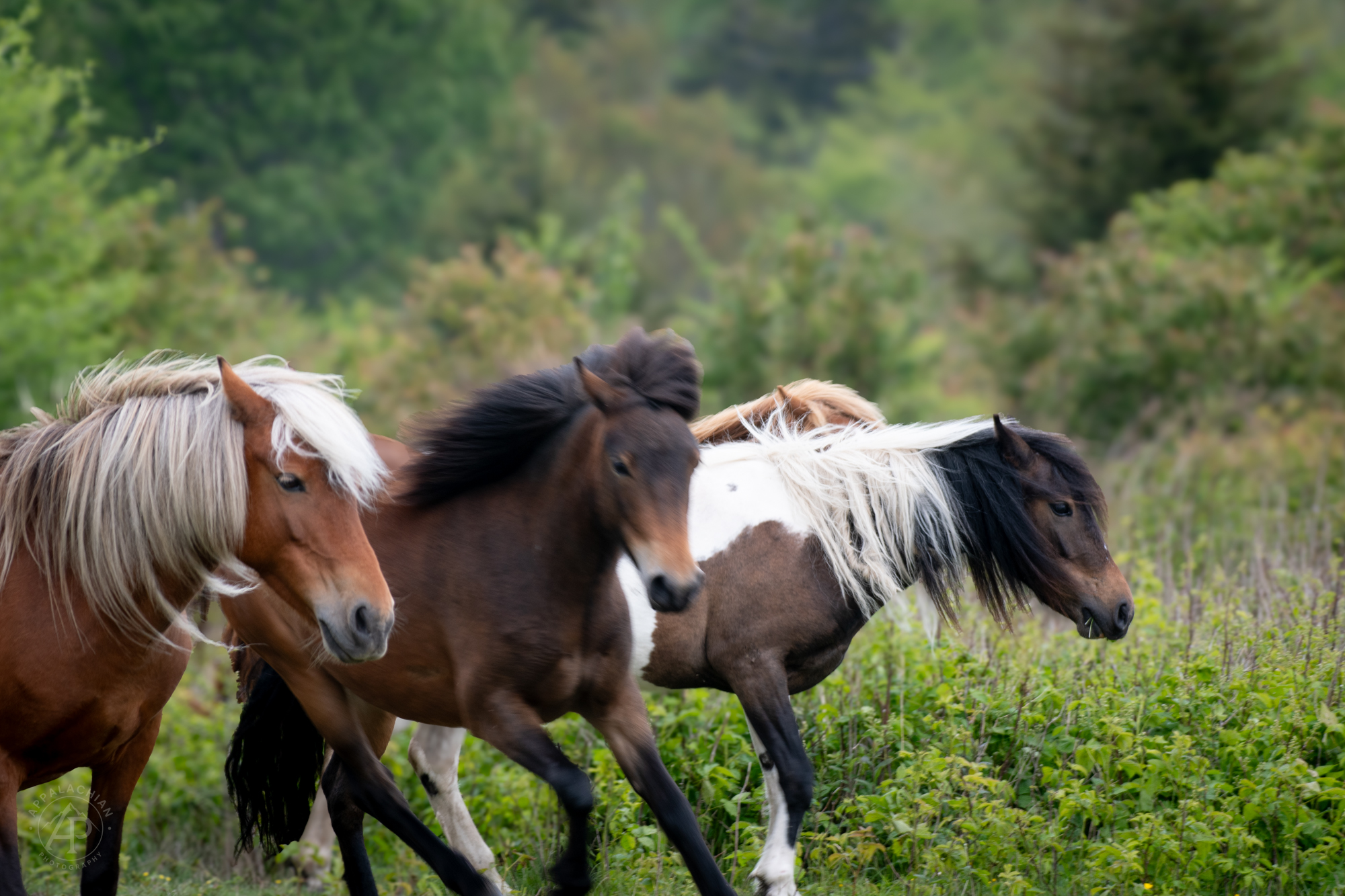
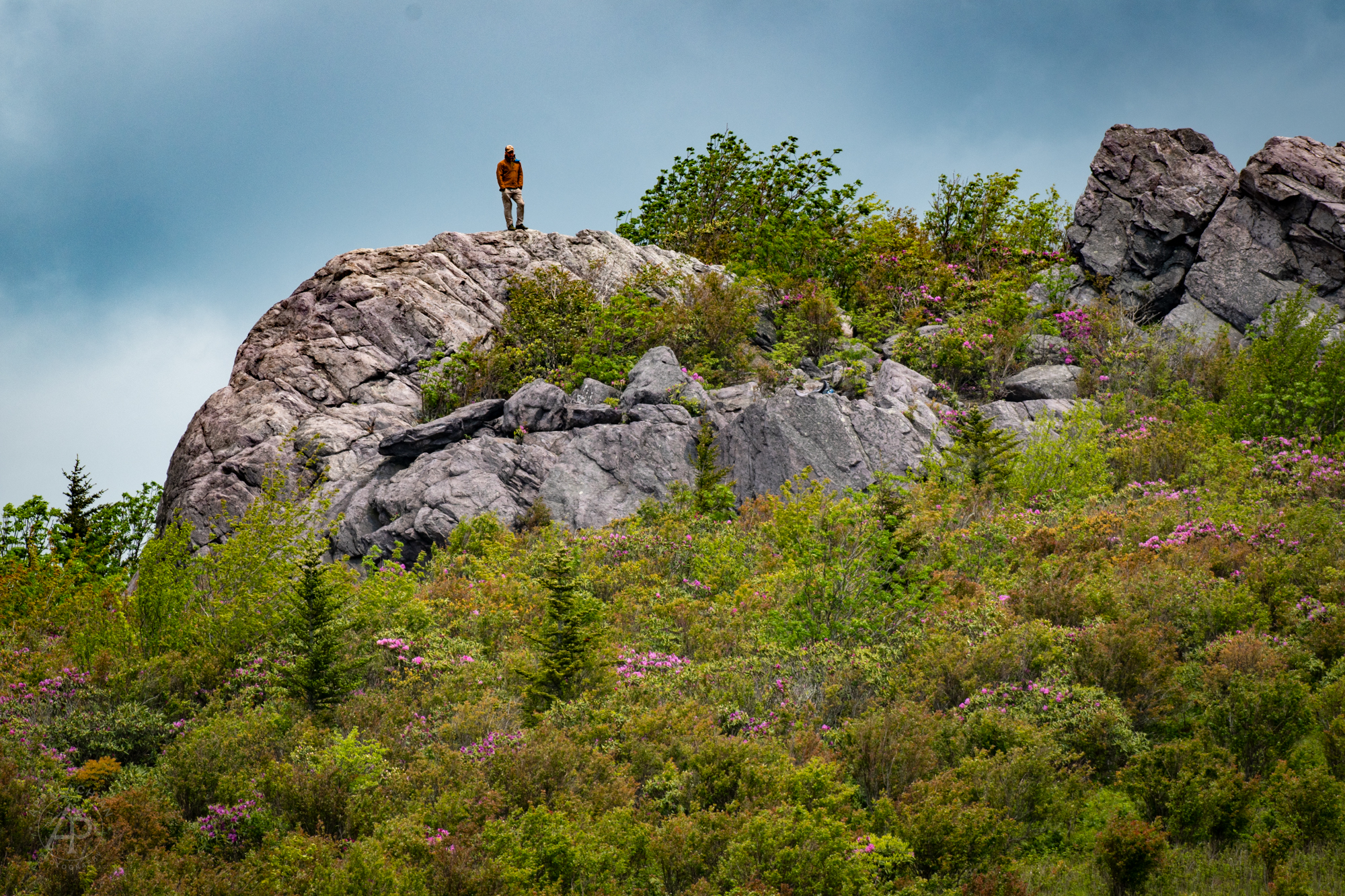
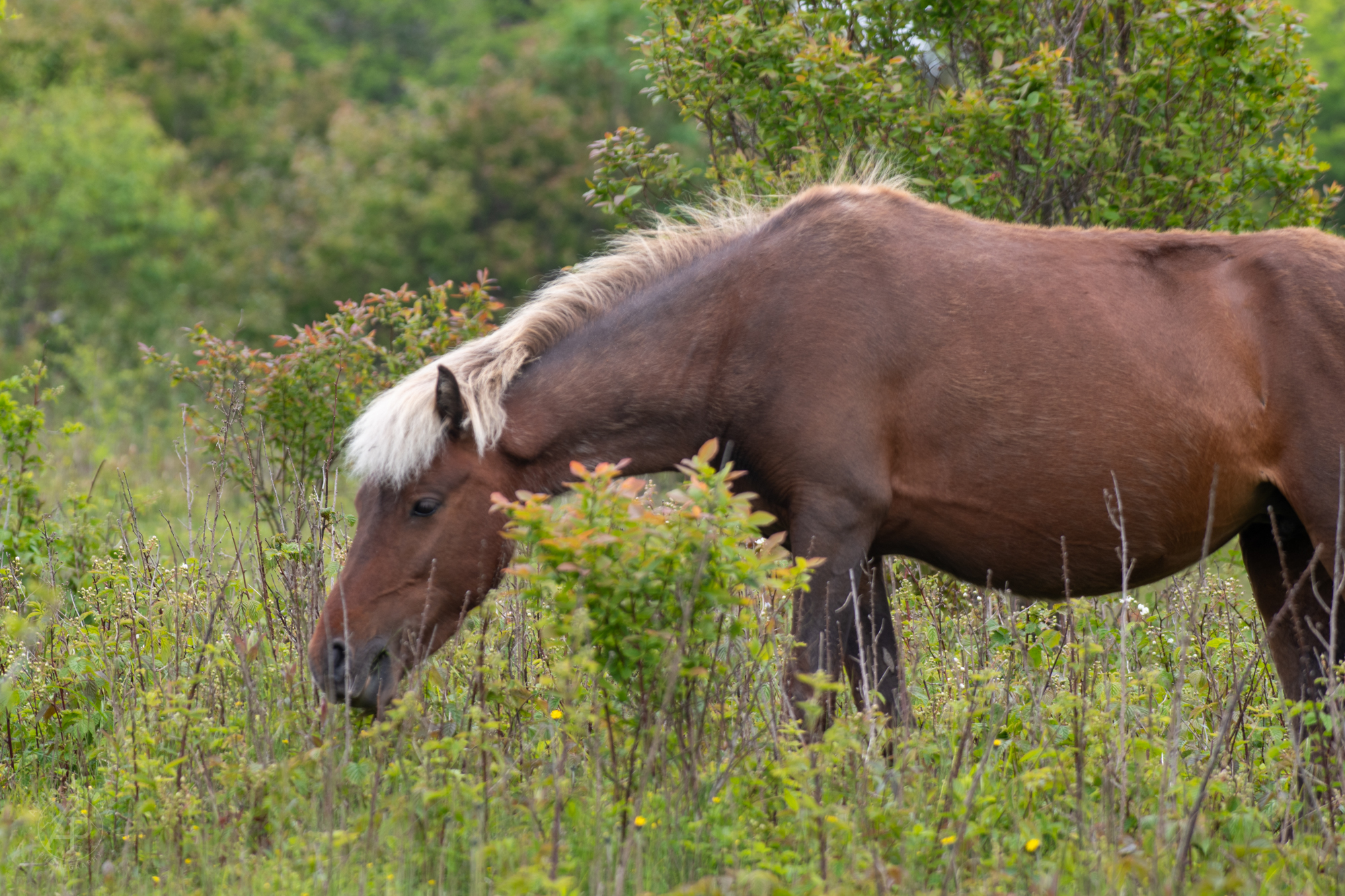
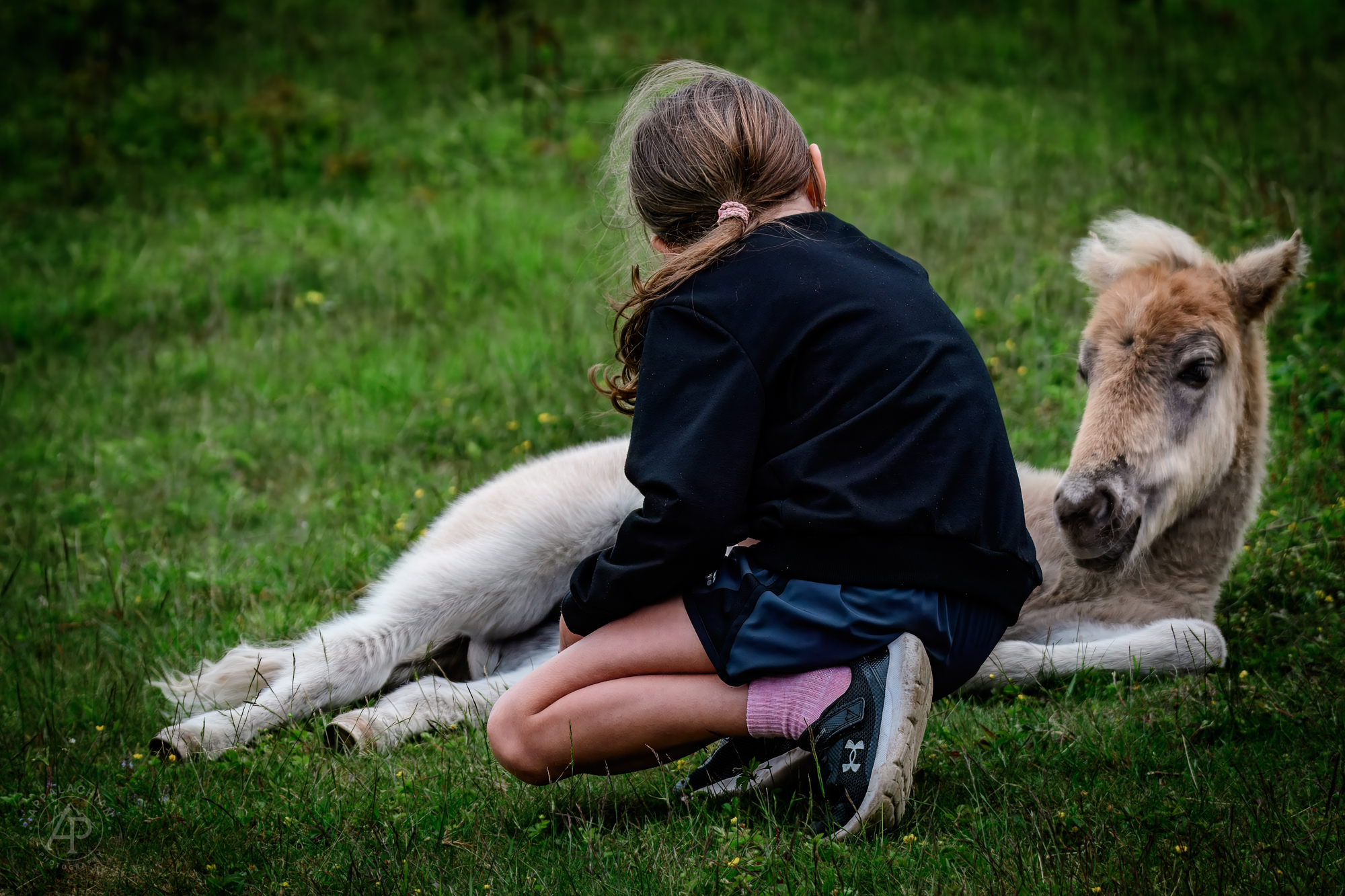
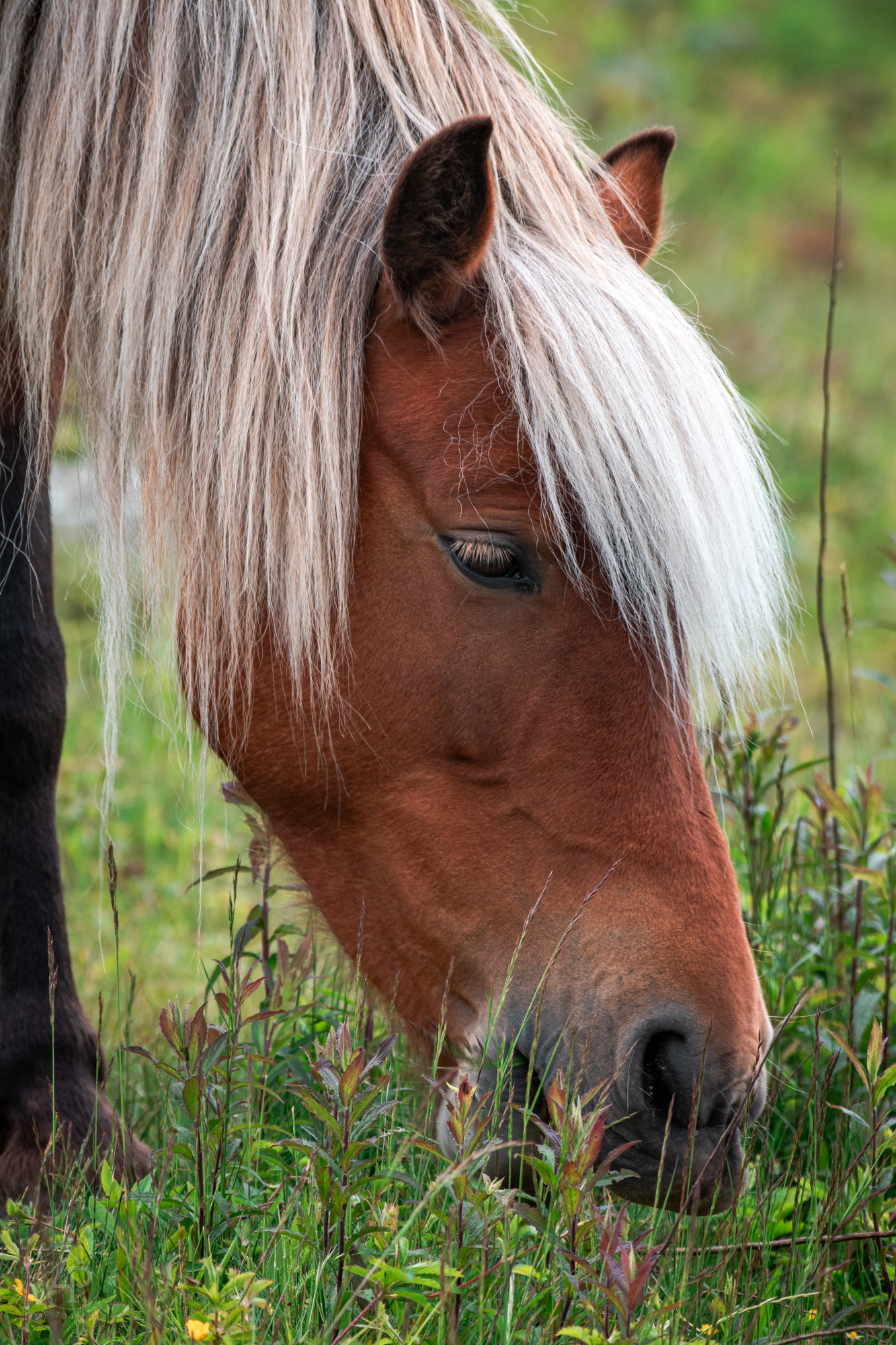
Tucked into the southwestern corner of Virginia where the Blue Ridge crests above 5,000 feet, Grayson Highlands State Park spans 4,800 acres of high-elevation balds, rocky outcrops, and spruce-fir forest. The park is best known for its herd of free-roaming wild ponies, introduced in 1974 to graze the open balds and keep them from succeeding back to forest. Today their descendants drift between Wilburn Ridge and Massie Gap, often within arm's reach of hikers on the Appalachian Trail.
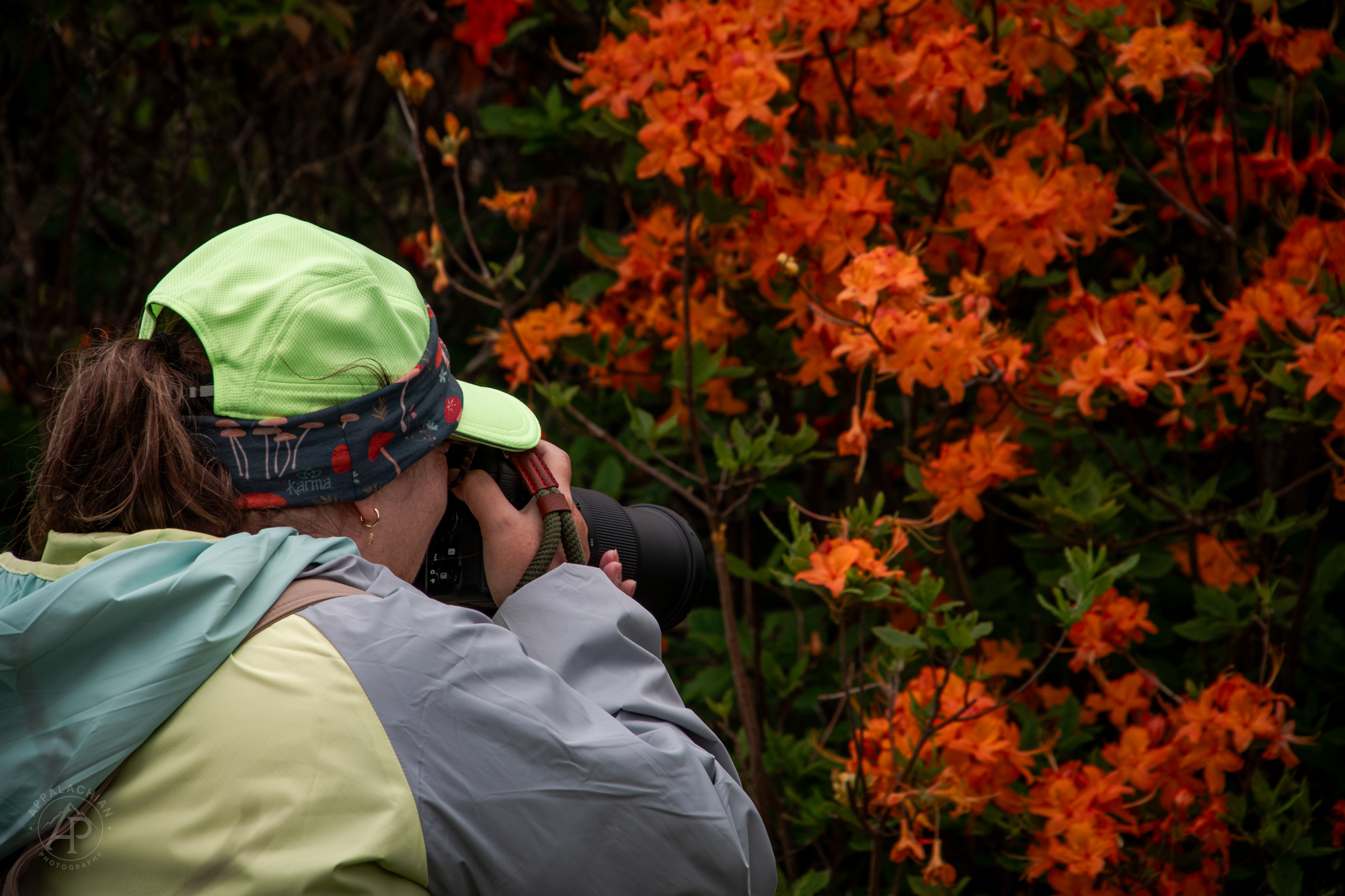
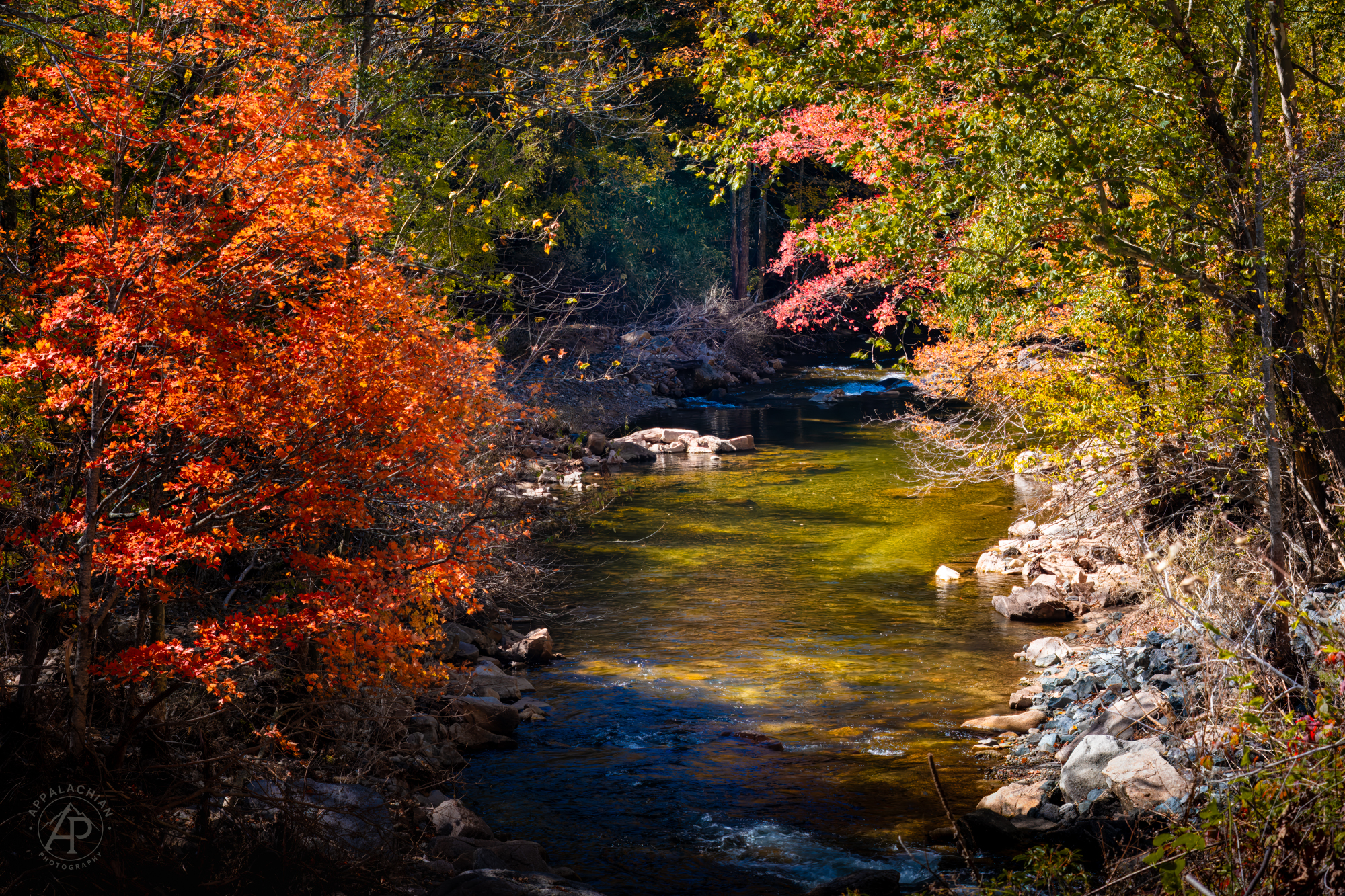
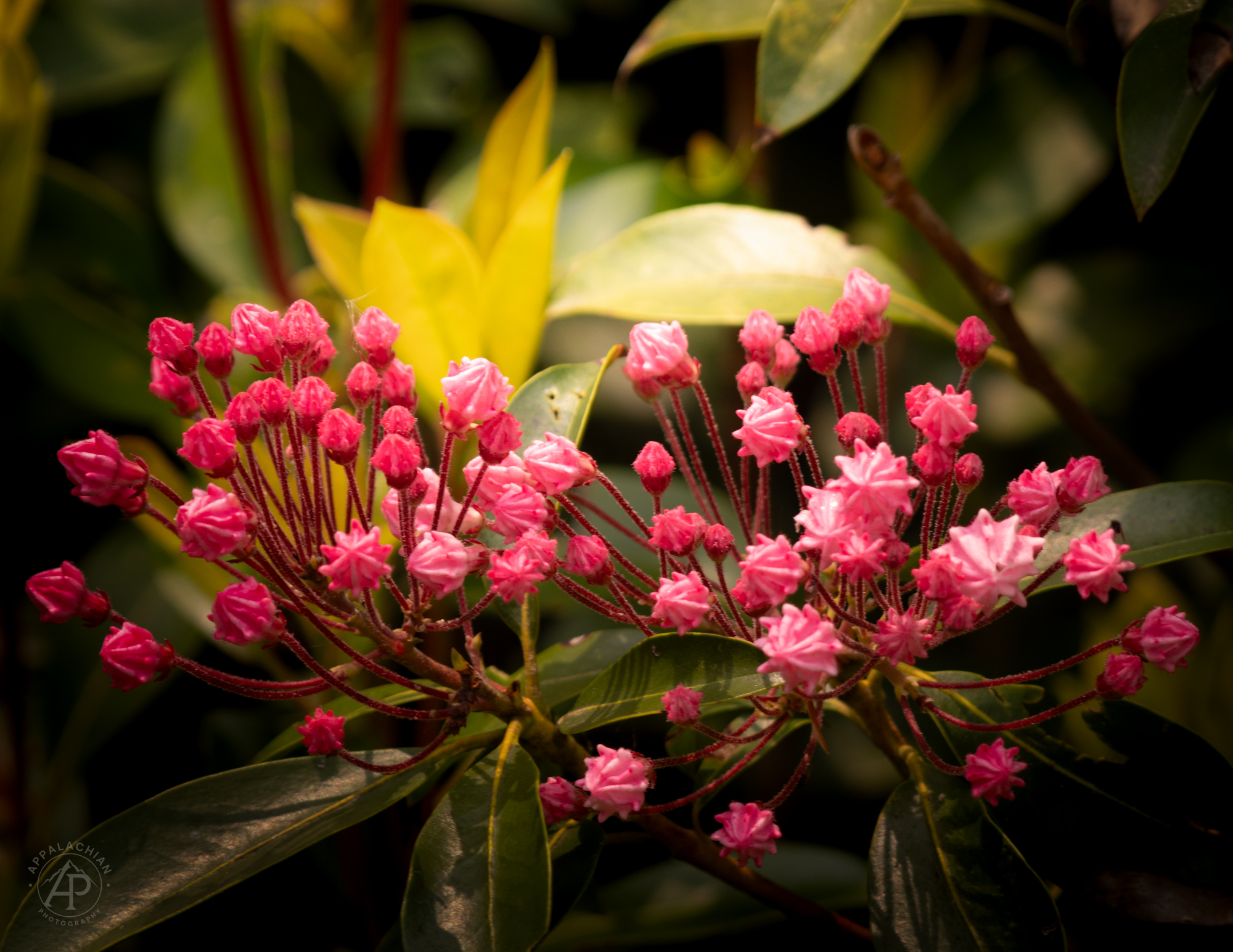
Late spring brings flame azalea and mountain laurel; autumn turns the balds into a sea of bronze and gold against weathered granite. We come back here often — for the ponies, for the long views into North Carolina and Tennessee, and for the kind of cold, sharp light you only find at altitude.
The NC Arboretum — Asheville, North Carolina
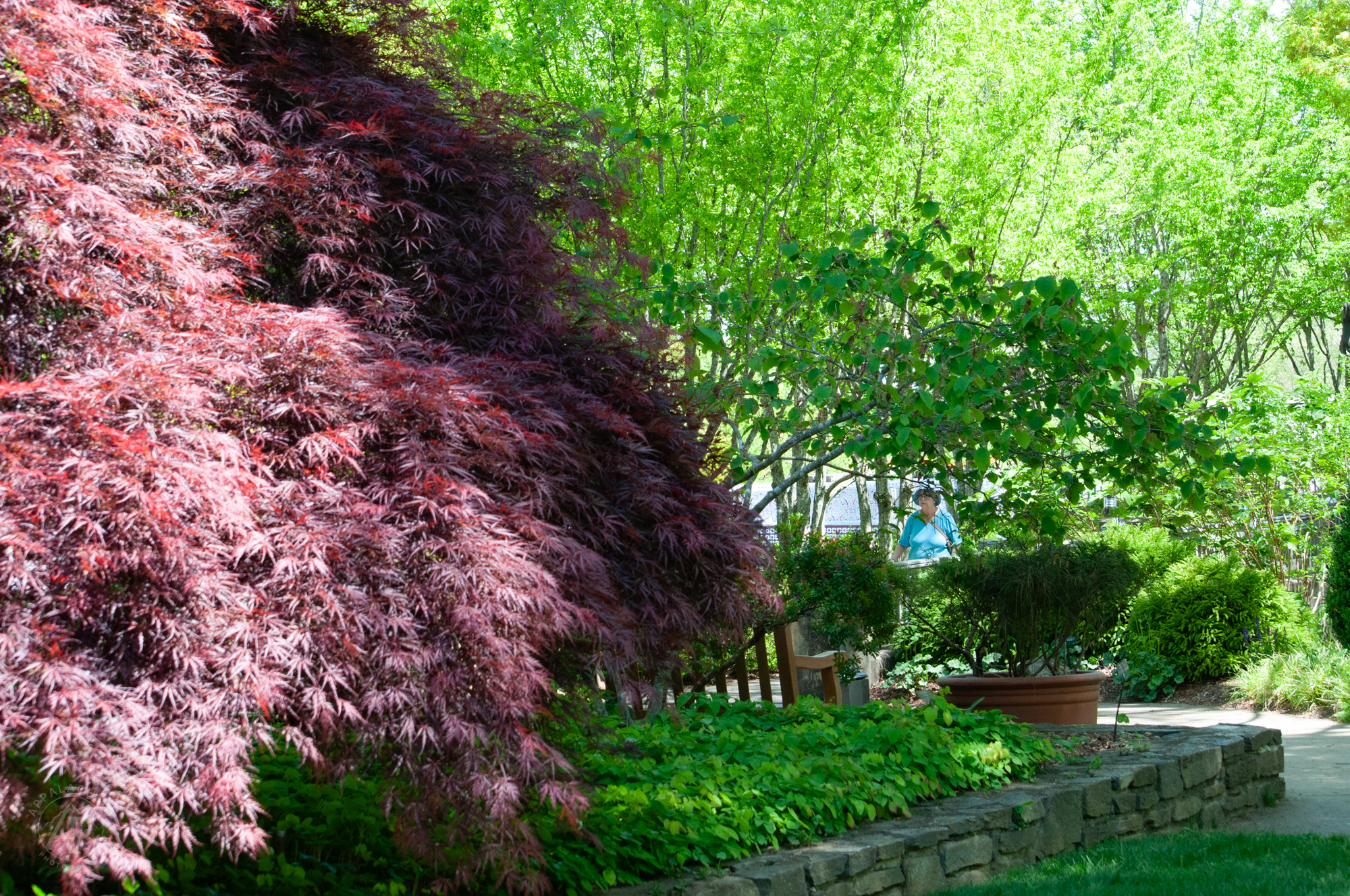
Nestled against the Blue Ridge Parkway on the southwestern edge of Asheville, the North Carolina Arboretum spans 434 acres of cultivated gardens, natural woodlands, and curated plant collections. Founded through a bequest by philanthropist Chauncey Beadle and established by the NC General Assembly in 1986, it opened to the public in 1998 as part of the Pisgah National Forest.
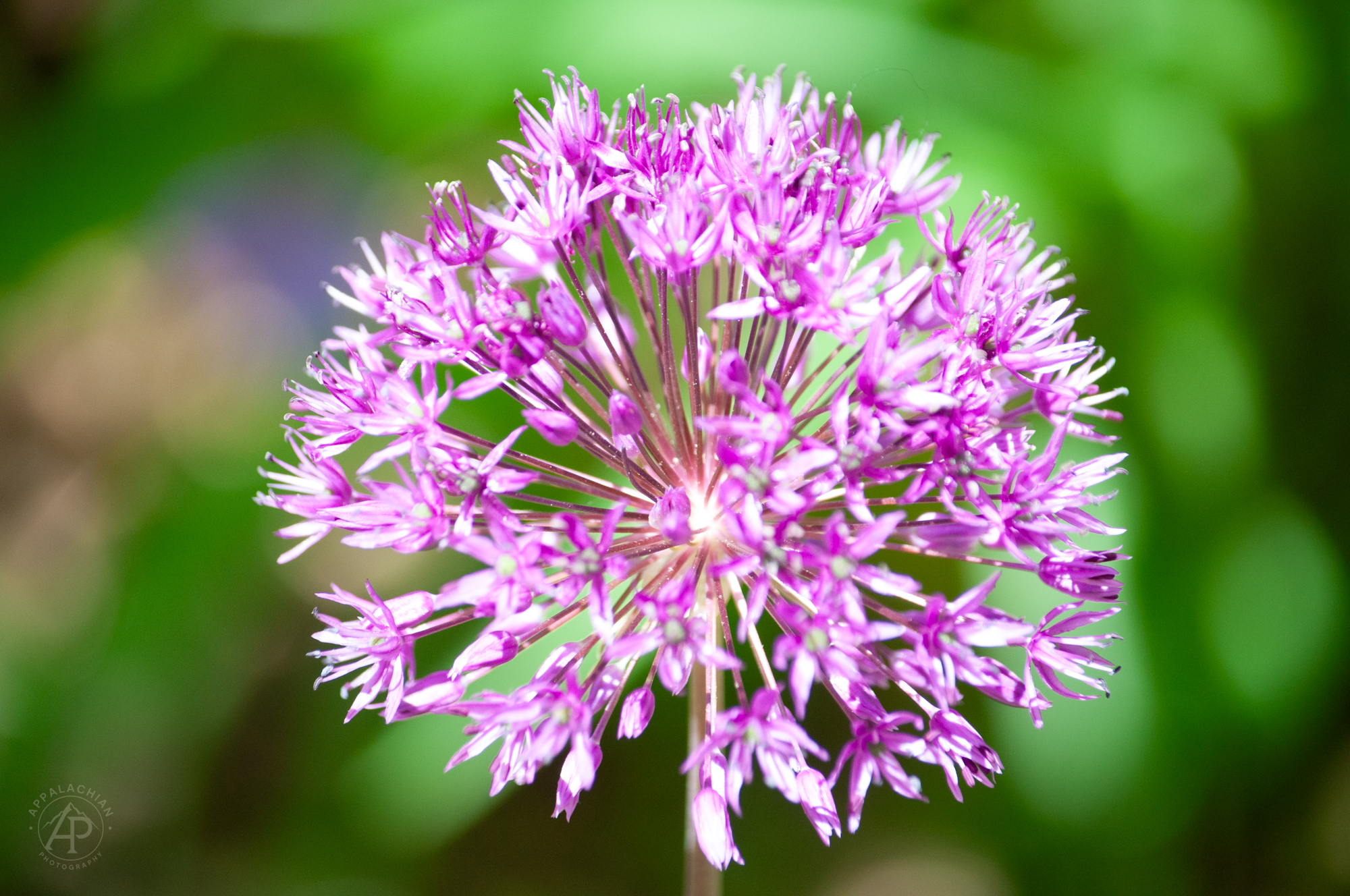
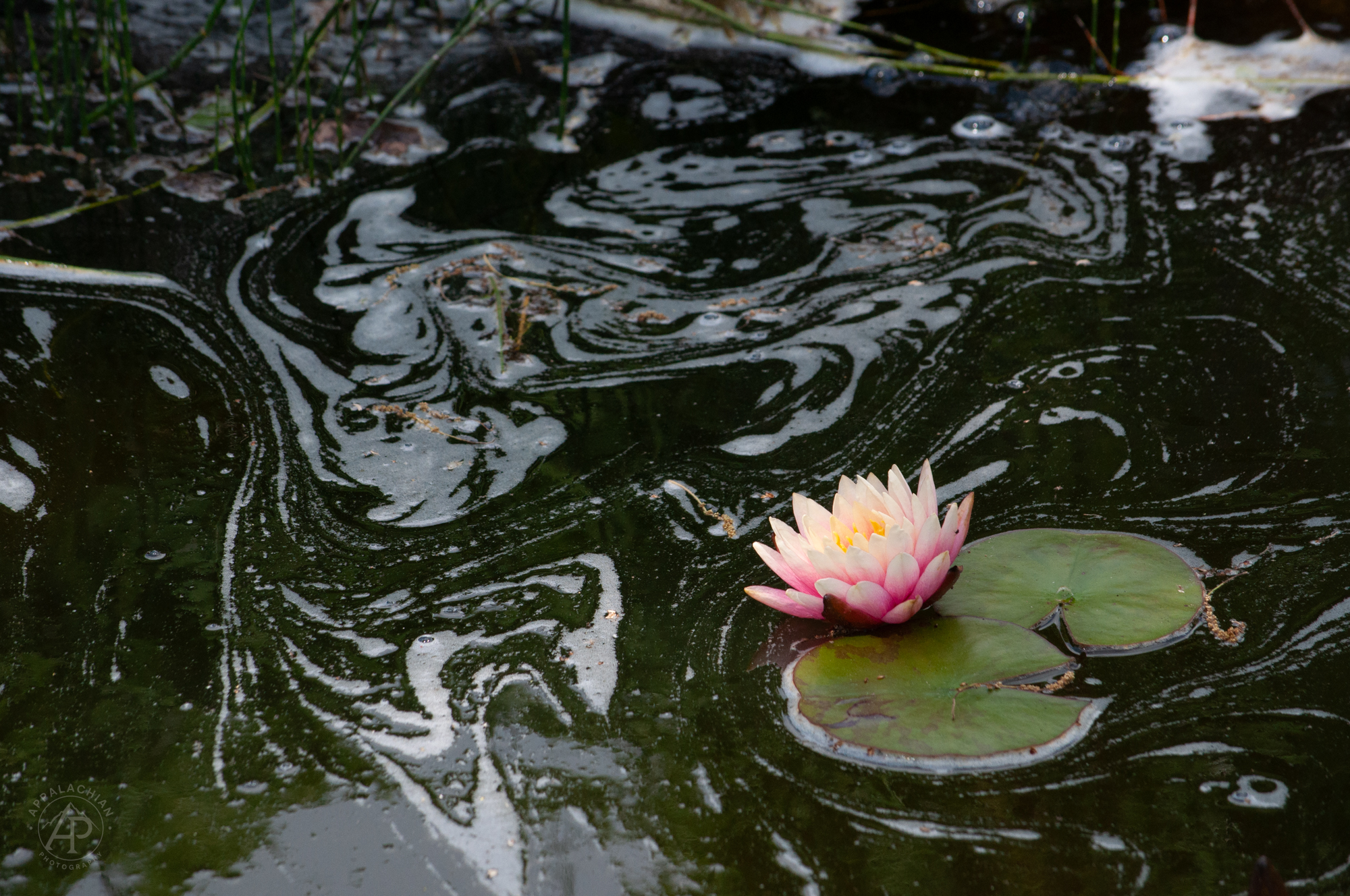
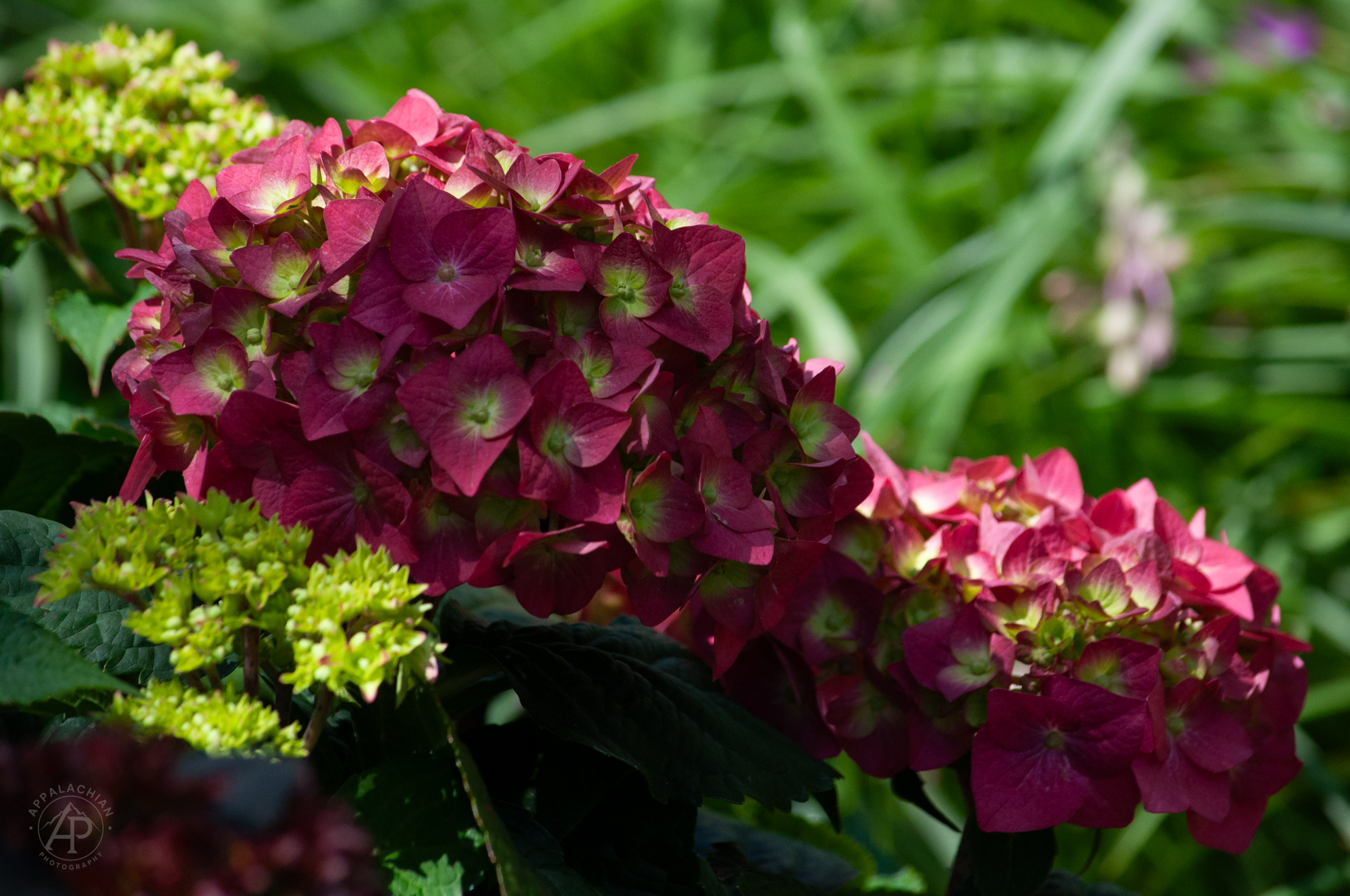
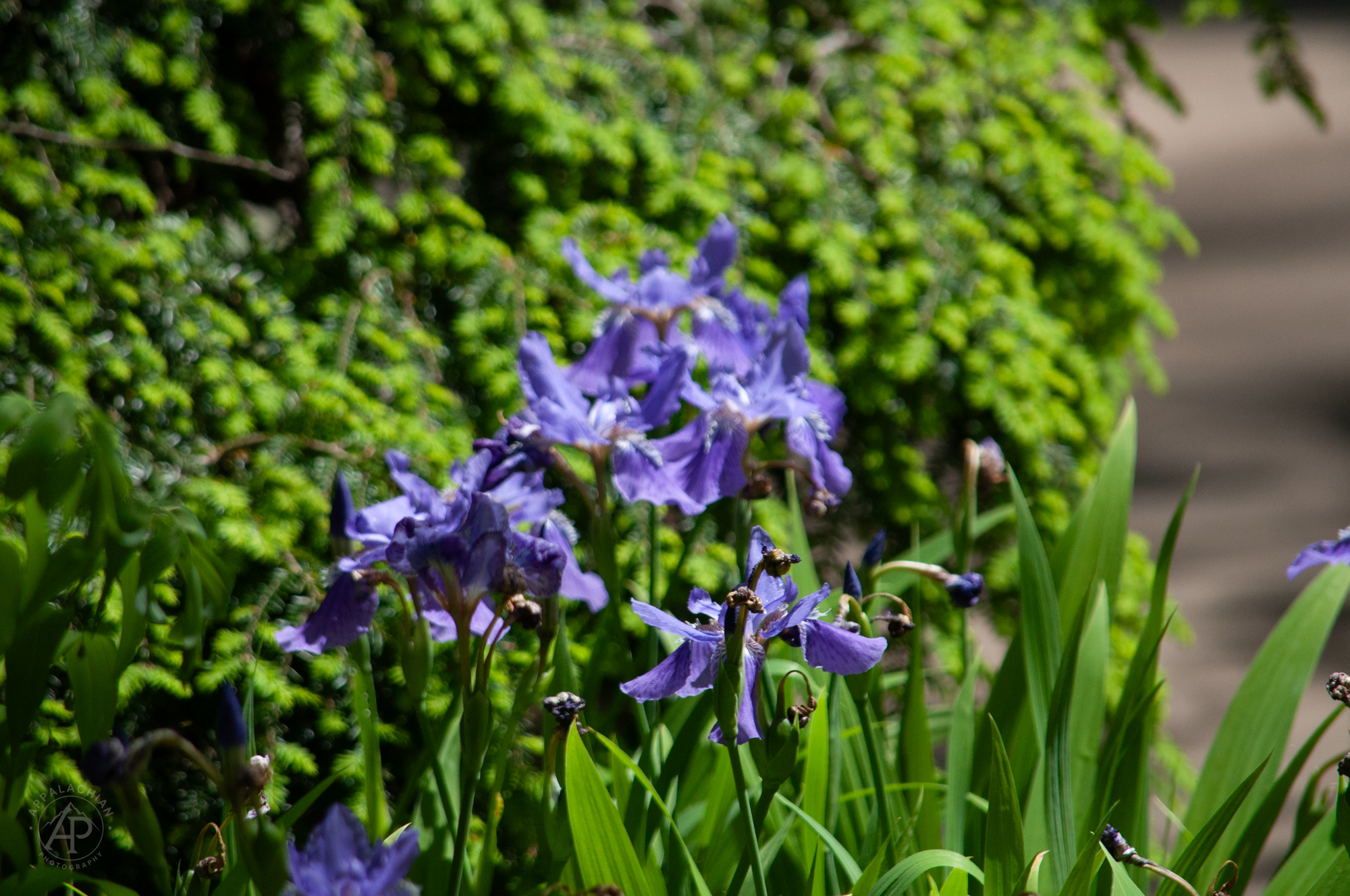
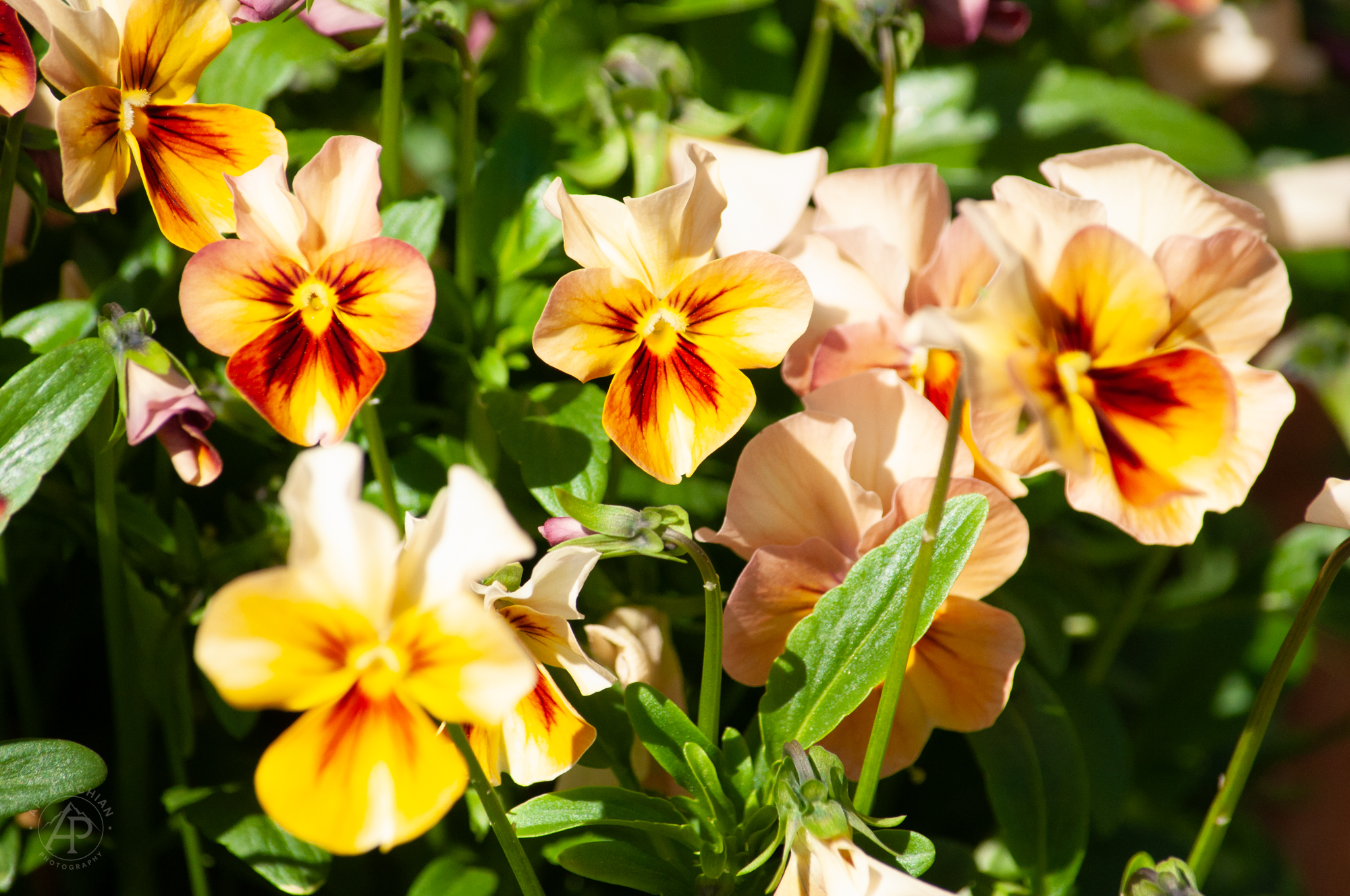
The Arboretum is celebrated for its themed gardens — from the formal Quilt Garden to the Bonsai Exhibition Garden, the Baker Exhibit Center, and miles of trails winding through mountain forests. Spring brings an extraordinary sequence of bloom: tulips give way to mountain laurel and rhododendron, followed by summer's hydrangeas and water lilies. It draws over 350,000 visitors a year and remains one of Western North Carolina's most beloved destinations.
Charleston — South Carolina
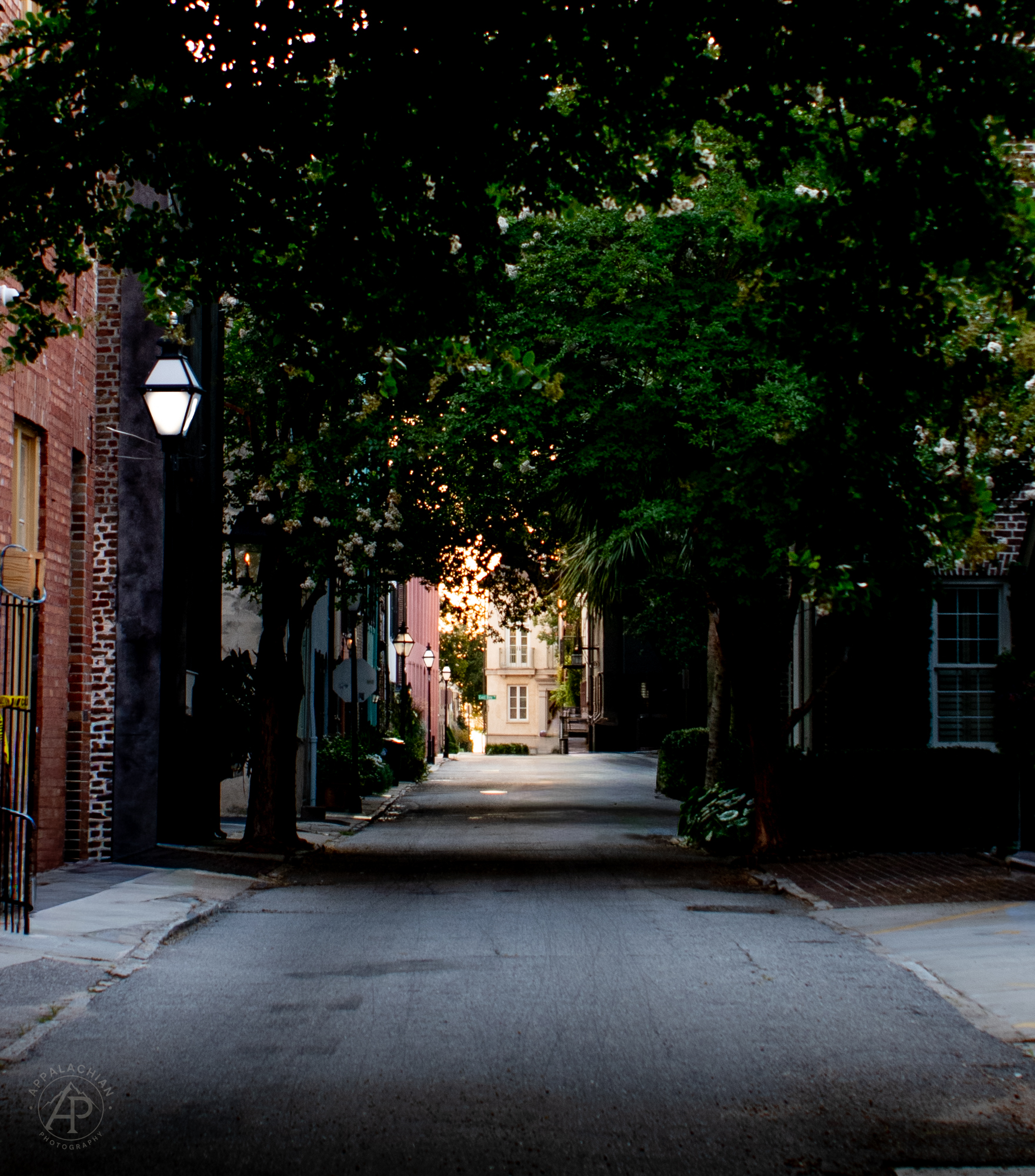
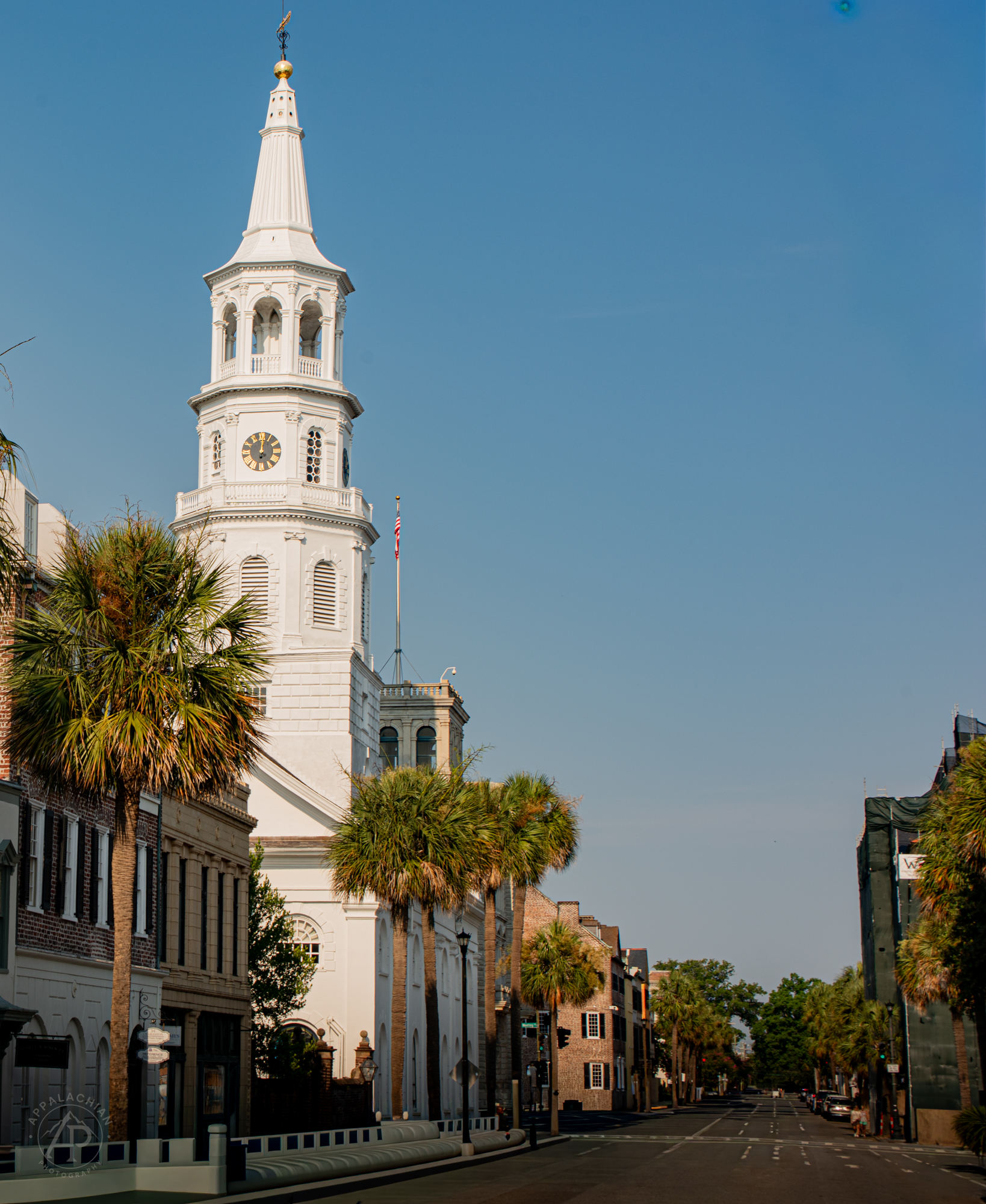
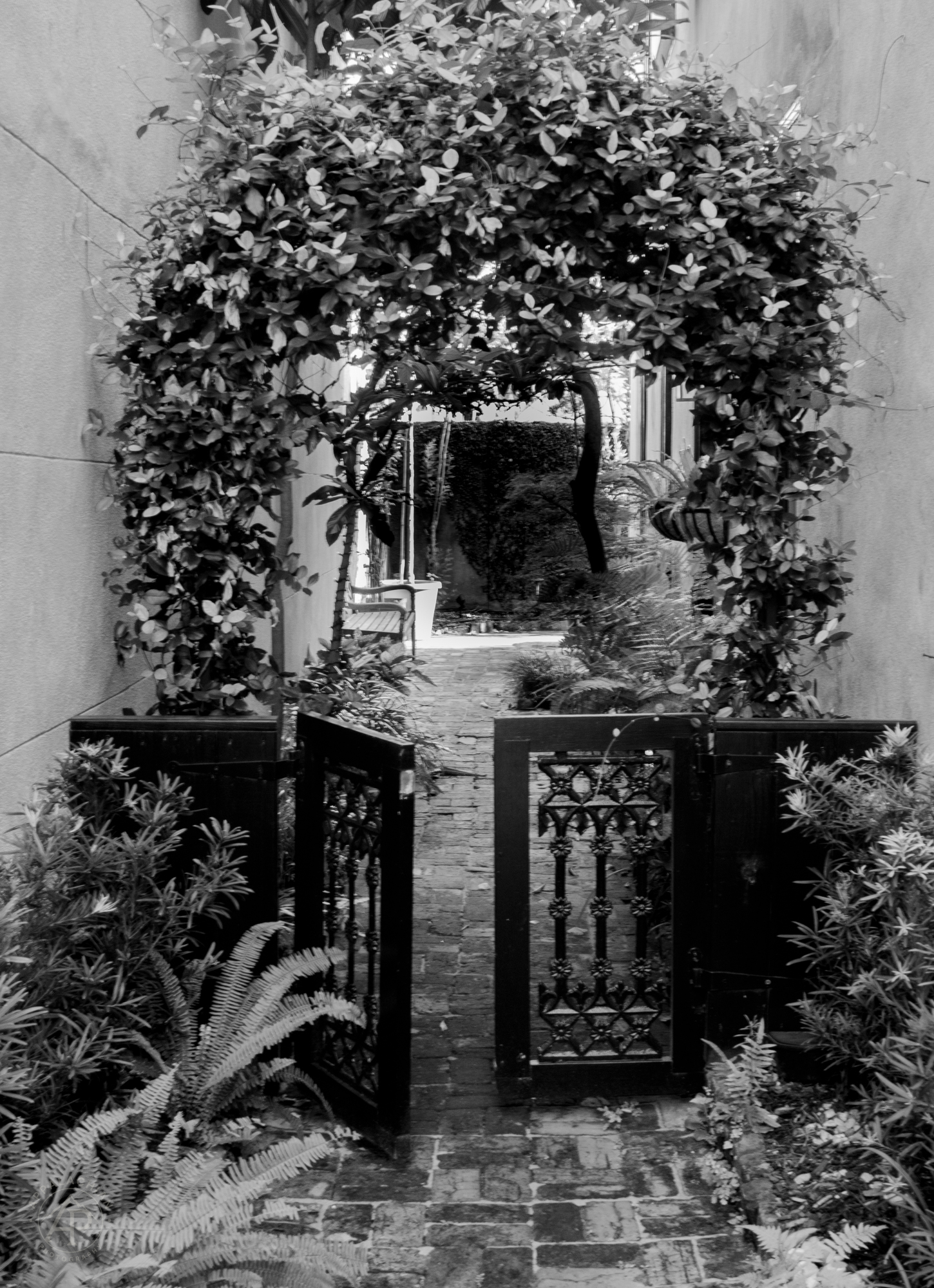
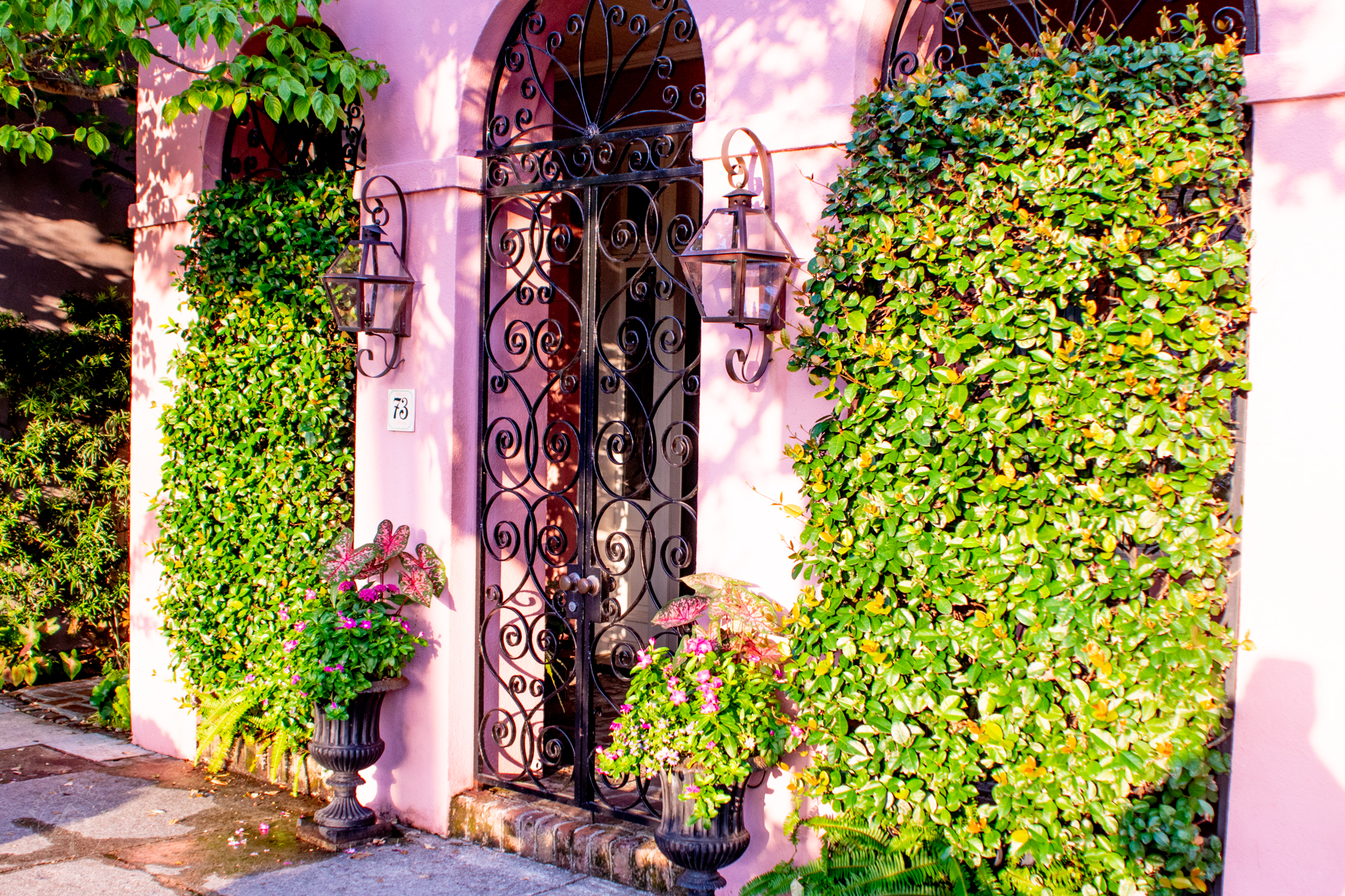
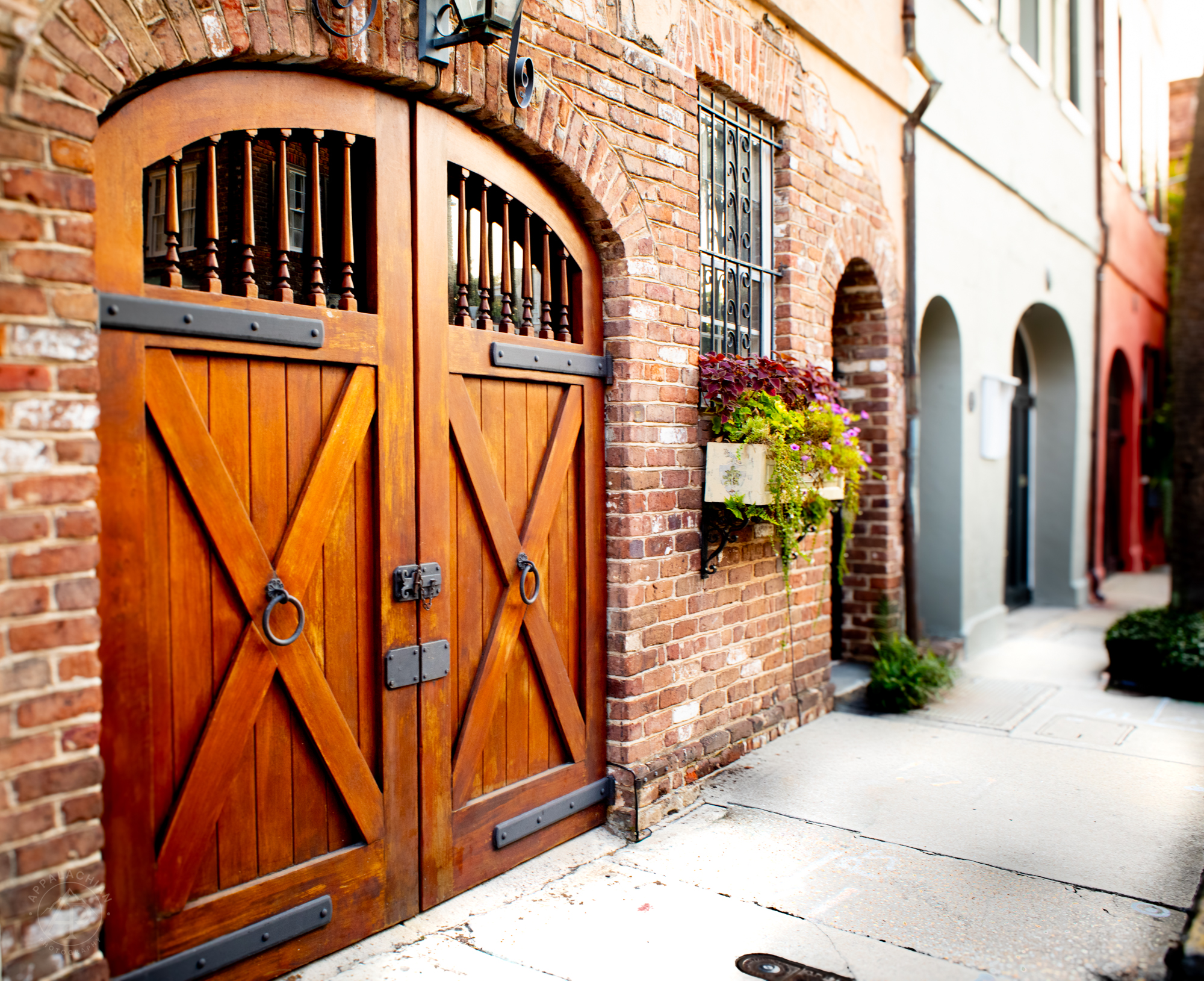
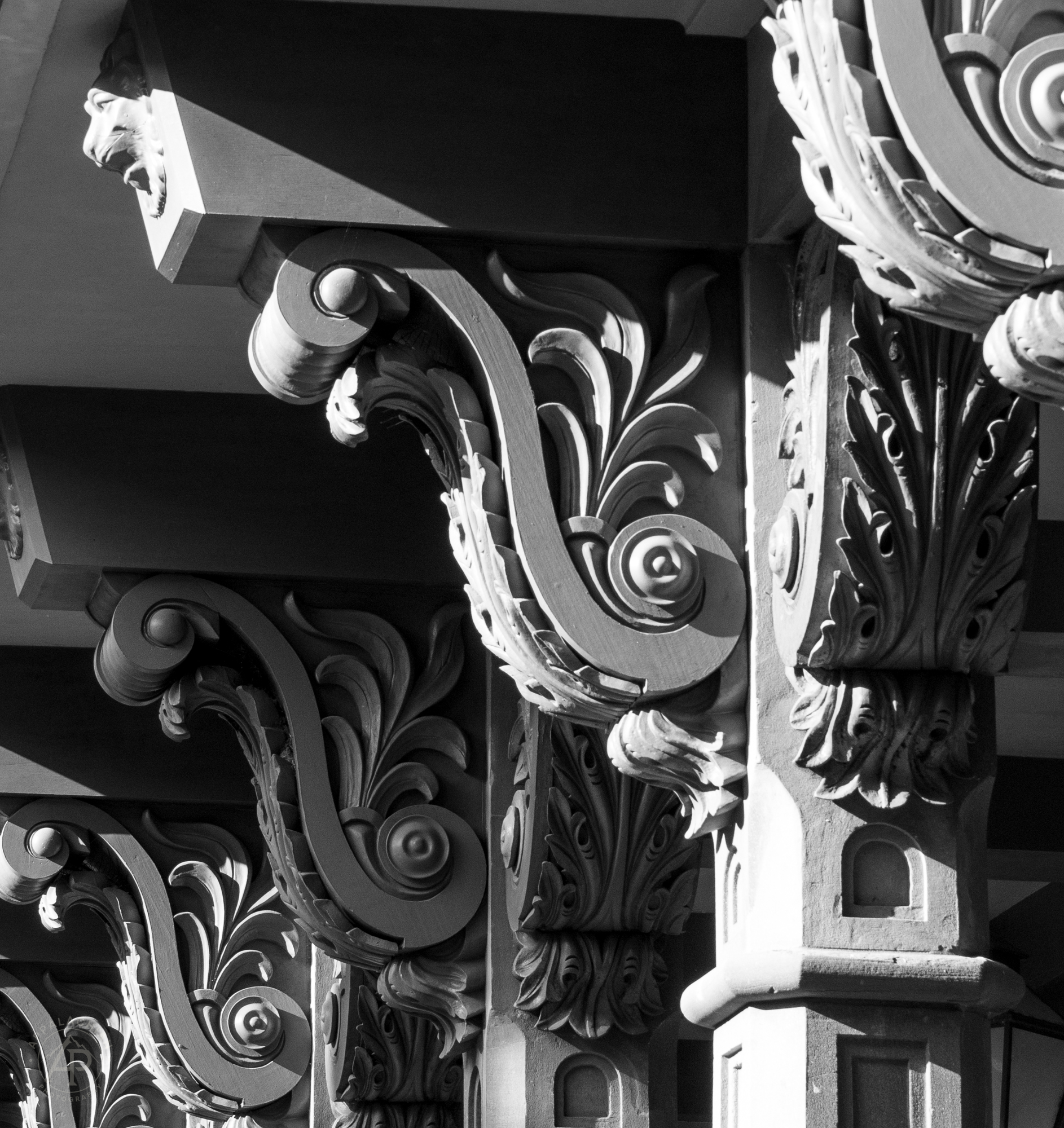
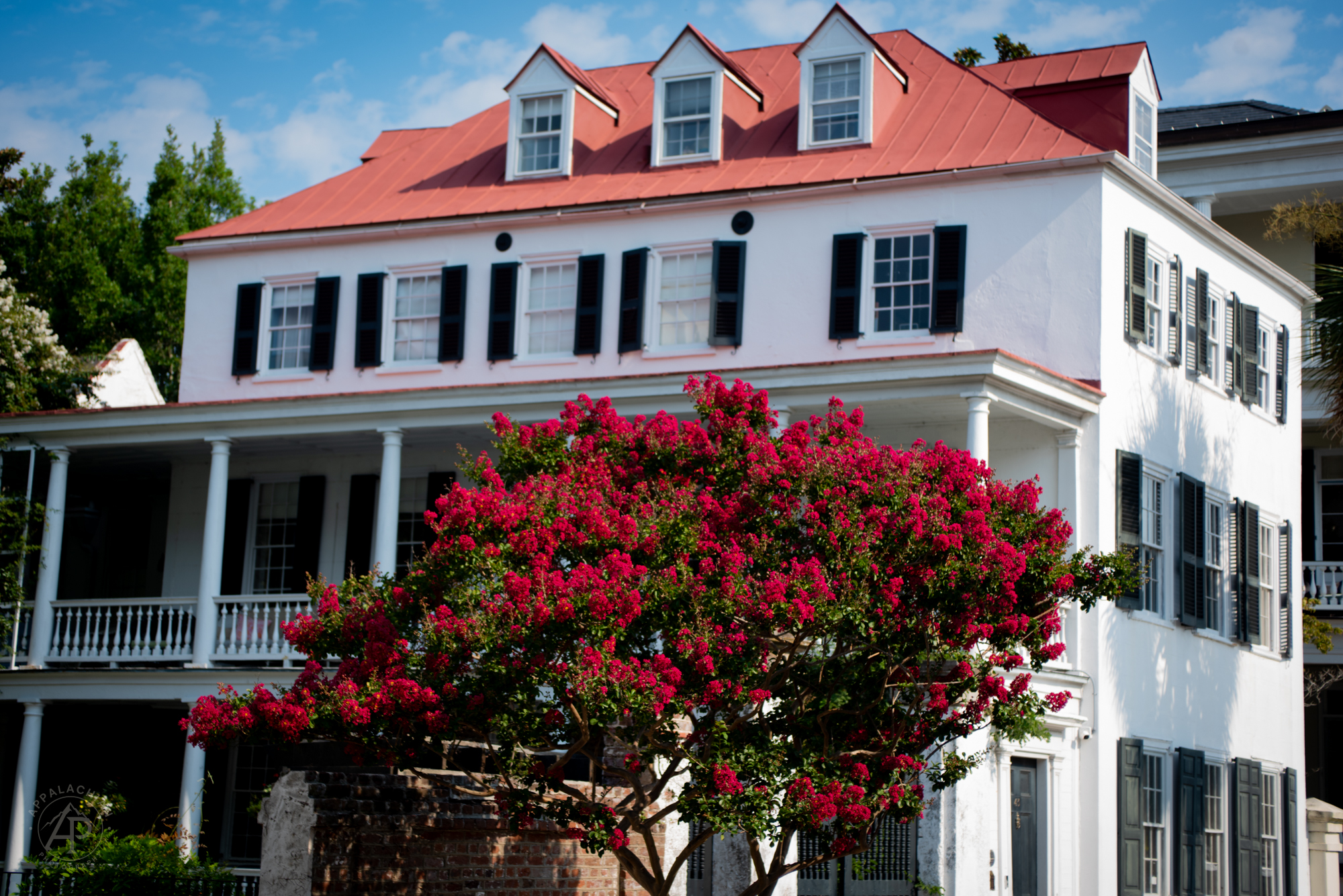
Founded in 1670 and one of the oldest cities in the American South, Charleston rewards anyone willing to walk slowly. Cobblestone alleys, ironwork gates wrought by enslaved African artisans, and the antebellum architecture of the historic district have weathered hurricanes, earthquakes, and the Civil War — all of which left fingerprints on the city's character.
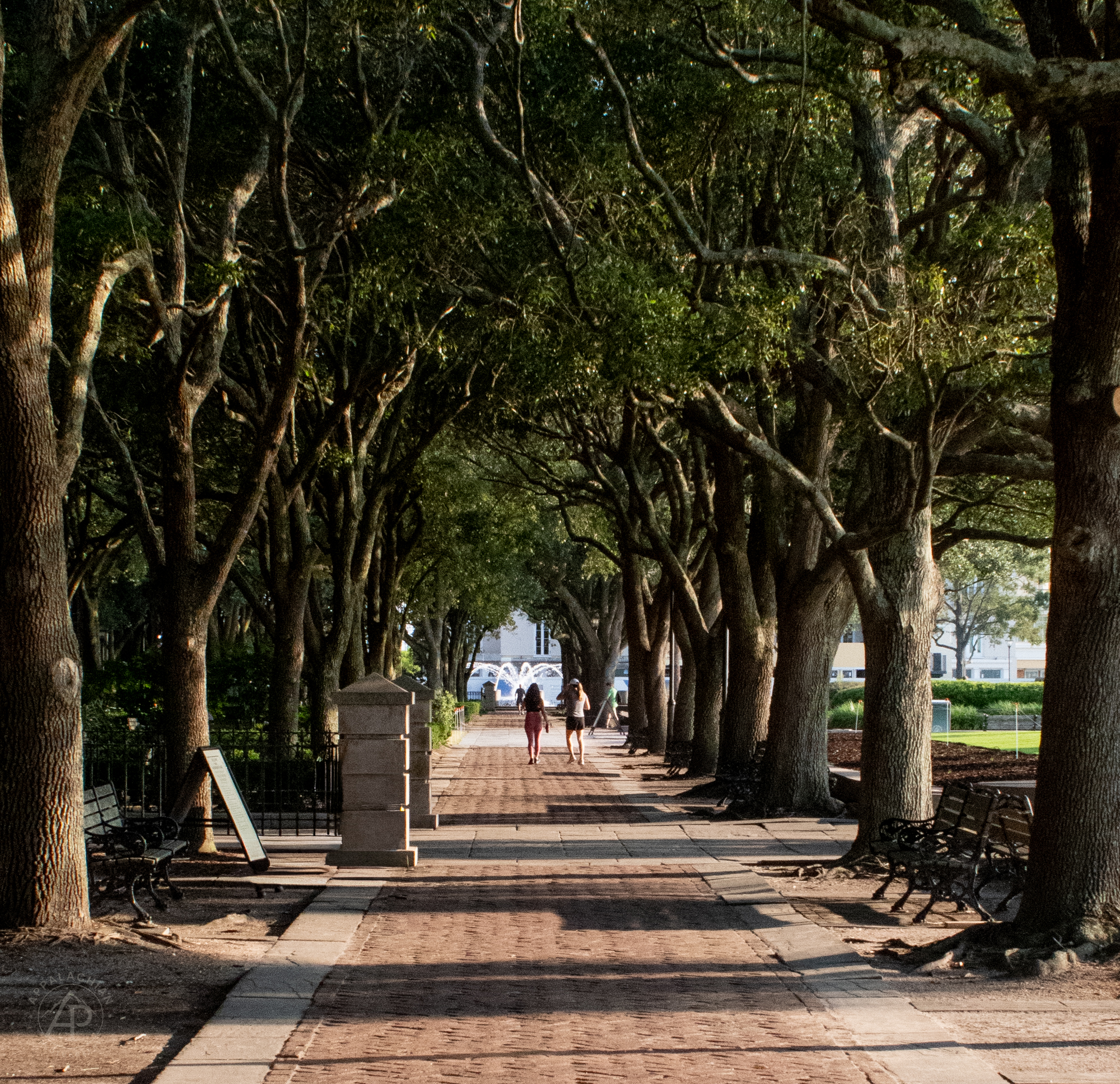
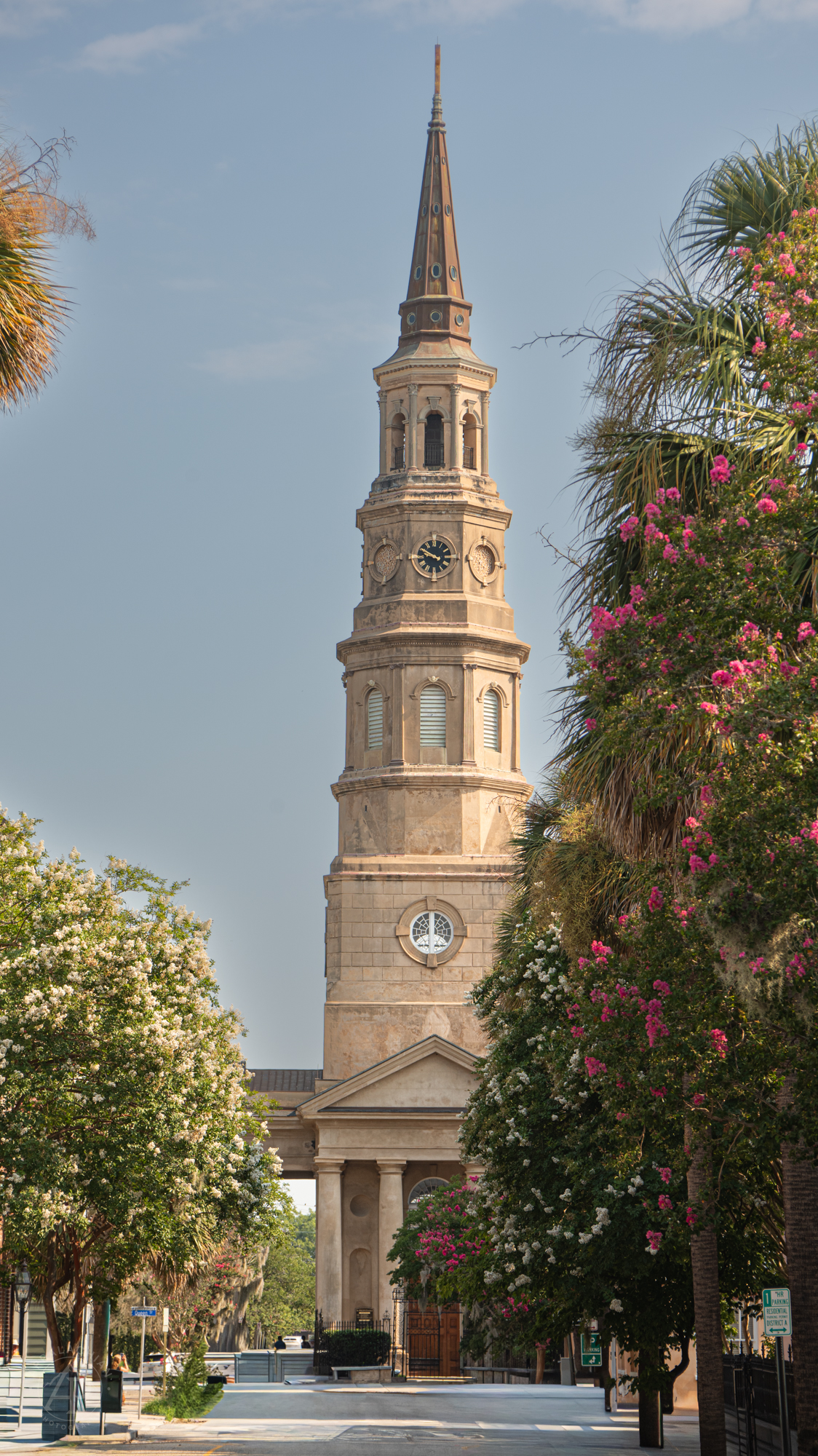
We work the city in early light and at golden hour, when the soft southern sun pulls long shadows across stucco and worn brick. White Point Garden, the Pink House (the oldest tavern in the city, dating to the 1690s), and the Gothic spires of St. Michael's and St. Philip's anchor the visual story. Charleston isn't Appalachian, but it shares something we look for everywhere — a sense that the place itself remembers.